

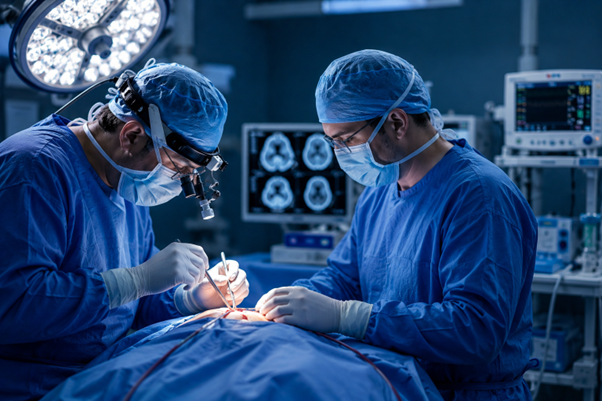
Recovery after a complex surgical procedure requires patience, awareness, and proper guidance. Procedures involving delicate areas of the head demand a carefully structured healing process to ensure optimal outcomes. Understanding the recovery timeline allows patients and caregivers to prepare mentally and physically, making the process more manageable and less overwhelming.
Patients undergoing skull base surgery often have concerns about what to expect during recovery, how long healing will take, and what steps are necessary for a smooth return to daily life.
Choosing the best ENT clinic in Vadodara for treatment and follow-up care plays a significant role in ensuring a successful recovery. Expert guidance, advanced facilities, and continuous monitoring help patients navigate each stage of healing with confidence.
Immediate Post-Surgery Phase (First 24–72 Hours)
The first few days after surgery are critical and typically take place in a hospital setting under close medical supervision. During this phase, the primary focus is on stabilizing the patient and monitoring for any complications.
Patients may experience:
- Mild to moderate pain or discomfort
- Swelling around the surgical area
- Fatigue due to anesthesia and the procedure
- Temporary difficulty with breathing or swallowing, depending on the surgical site
Medical teams carefully monitor vital signs, neurological function, and any signs of infection. Pain management and supportive care are provided to ensure comfort and stability.
Early Recovery Phase (First Week)
During the first week, patients begin transitioning from hospital care to home recovery. This phase involves gradual improvement in strength and comfort, although rest remains essential.
Common experiences include:
- Continued swelling and mild discomfort
- Nasal congestion or drainage if the surgery involved sinus pathways
- Limited physical activity
- Need for prescribed medications
Patients are advised to follow strict post-operative instructions, including keeping the head elevated, avoiding strenuous movements, and maintaining proper hygiene to prevent infection.
Short-Term Healing (Weeks 2–4)
As the body continues to heal, patients often notice a reduction in swelling and discomfort. Energy levels begin to improve, allowing for a gradual return to light daily activities.
During this stage:
- Pain significantly decreases
- Incisions start to heal visibly
- Normal eating and sleeping patterns gradually resume
- Follow-up appointments assess healing progress
It is important to avoid activities that may strain the surgical area, such as heavy lifting or bending, as these can interfere with healing.
Intermediate Recovery Phase (1–3 Months)
This phase marks a significant milestone in the recovery journey. Most patients begin to feel more like themselves and regain independence in daily routines.
Improvements during this period include:
- Restoration of normal energy levels
- Reduced need for medication
- Improved breathing and comfort
- Gradual return to work or routine activities
However, it is essential to continue following medical advice and attend scheduled check-ups to ensure proper healing.
Long-Term Recovery (3–6 Months and Beyond)
Full recovery from skull base procedures can take several months, depending on the complexity of the surgery and individual health factors. During this stage, the focus shifts to complete healing and long-term stability.
Patients may experience:
- Continued improvement in overall well-being
- Stabilization of surgical outcomes
- Resolution of residual symptoms
Regular monitoring ensures that any late complications are identified and addressed promptly.
Managing Symptoms During Recovery
Managing symptoms effectively is key to a smooth recovery process. Patients may experience temporary discomfort or changes that require attention.
Common management strategies include:
- Taking prescribed medications as directed
- Using cold compresses to reduce swelling
- Maintaining proper hydration and nutrition
- Following recommended rest schedules
These measures help support the body’s natural healing process and reduce the risk of complications.
Importance of Follow-Up Care
Follow-up appointments are a crucial part of recovery. They allow healthcare providers to monitor healing, assess progress, and make necessary adjustments to the treatment plan.
During follow-ups, doctors may:
- Examine the surgical site
- Evaluate neurological function
- Address any concerns or symptoms
- Provide guidance for continued recovery
Consistent follow-up care ensures that the recovery process remains on track and any issues are resolved early.
Lifestyle Adjustments for Faster Healing
Adopting healthy lifestyle habits can significantly enhance recovery. Simple changes can support the body’s healing mechanisms and improve overall outcomes.
We recommend:
- Eating a balanced diet rich in nutrients
- Staying hydrated
- Avoiding smoking and alcohol
- Getting adequate rest
These practices contribute to faster healing and better long-term results.
Emotional and Psychological Recovery
Recovery is not only physical but also emotional. Patients may experience anxiety, stress, or mood changes during the healing process.
Support from family, friends, and healthcare providers can make a significant difference. Engaging in relaxing activities and maintaining a positive outlook helps improve mental well-being.
If needed, professional counseling can provide additional support and guidance.
Signs to Watch For During Recovery
While most recoveries progress smoothly, it is important to be aware of warning signs that may indicate complications.
Seek medical attention if you experience:
- Persistent or worsening pain
- Fever or signs of infection
- Unusual swelling or discharge
- Changes in vision or neurological function
Early intervention ensures that complications are managed effectively and do not impact long-term outcomes.
A Gradual Path to Complete Recovery
Recovery after skull base surgery is a gradual process that requires patience, care, and adherence to medical guidance. By understanding each phase of the timeline, patients can approach healing with confidence and realistic expectations.
With proper care, regular follow-ups, and a supportive environment, most patients achieve successful outcomes and return to their normal routines. Taking proactive steps throughout the recovery journey ensures not only physical healing but also long-term health and well-being.